
"A drug is not bad. A drug is a chemical compound. The problem comes in when people who take drugs treat them like a license to behave like an asshole. - Frank Zappa"
Every thing that is too much is not good for our body. This also goes with the saying that all substances are poisons; there is none which is not a poison. The right dose differentiates a poison from a remedy.
This is dependent on how we take the right dose of the drugs and not taking too much which can be toxic to our body.
This is dependent on how we take the right dose of the drugs and not taking too much which can be toxic to our body.
Here's a brief information about Toxicology :)
 |
| Photo Credit |
Toxicology is the study of poisons. It is also the study of the adverse effects of chemicals on living organisms. The symptoms, mechanisms, treatments, and detection of poisoning of the people are also been studied in this field.
 |
| Photo Credit |
What is a drug?
Drug, according to the Food, Drug, and Cosmetic Act :
(1)a substance recognized in an official pharmacopoeia or formulary
(2)a substance intended for use in the diagnosis, cure, mitigation, treatment, or prevention of disease
(3)a substance other than food intended to affect the structure or function of the body
(4)a substance intended for use as a component of a medicine but not a device or a component, part, or accessory of a device
First, let us tackle the four major disciplines in Toxicology. They are:
-This elucidates the cellular and biochemical effects of toxins
-These studies provide a basis for rational therapy design and the development of tests to assess the degree of poisoned individuals
 |
| Photo Credit |
-Uses the results from animal experiments to predict what level of exposure will cause harm in humans
-This process is called "Risk Assessment"

-Primarily concerned with the medico-legal consequences of toxin exposure
-Major focus is establishing and validating the analytic performance of the methods used to generate evidence in legal situations, including the cause of death
 |
| Photo Credit |
-Study of interrelationships between toxin exposure and disease states
-Emphasizes not only diagnostic testing but also therapeutic intervention

 |
| Photo Credit |
How does this toxins enter our body?
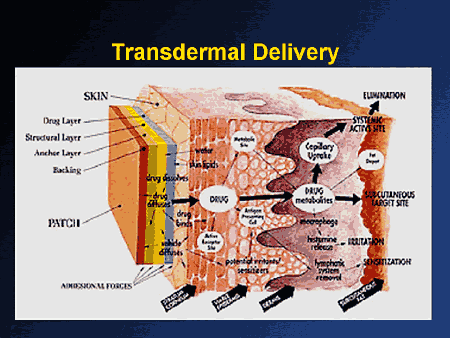
 Photo Credit  | |||||||||||||||
Photo Credit
For additional information, click this link and it will show the list of prohibited drugs: http://www.cbc.ca/sports/indepth/drugs/glossary/classes-popup.html
We must keep in mind that though drugs are beneficial in treating different diseases, the abuse of these are very risky and can even cause death if not used correctly. Hope you learned from my blog! Till my next post. God bless! :)
REFERENCES:
Clinical Chemistry: Techniques, Principles, Correlations, 6th Edition by Michael L. Bishop, et.al
|


Great post. Personal touch is always good. K.I.U.
ReplyDelete