Saturday, September 15, 2012

Keep your mind young through EduBlogging :)


“Anyone who stops learning is old, whether at twenty or eighty. Anyone who keeps learning stays young. The greatest thing in life is to keep your mind young. – Henry Ford”


Photo Credit


Learning is a continuous process. Learning is not limited. Perhaps, as we grow old, we should learn more. There are various ways in which one can learn. As years passed by, technology is becoming the source of information nowadays. By just browsing the internet, you can see information as fast as blink of an eye. News, entertainment, sports, selling, and other things that you can imagine are now being found in the web.

Luckily, we can help sharing information through Educational Blogging.



Photo Credit
Educational Blogging is where you compose a blog about a particular topic, in which you researched in all the possible resources (internet, books, magazines, journals) all the pertinent information that you will be writing in your blog. You need not to copy paste because you need to summarize all the information that you researched so that it will be easier for the readers to understand.

The goal of Educational Blogging is to be able to educate others with the topic as briefly as you can. Owning a blog doesn’t vary with age. Every people can own their personal blog and customize it which can be helpful to others.

My first Educational Blog was about the “Endocrine System”. I enjoyed writing it because it was not my first time to write a blog. I wrote a blog about my experiences, and the places that I went to through Tumblr. It was not that “formal blog” unlike the Educational Blogging, in where you can share your opinions and ideas but need to be careful in using informal words just so you can make it interesting. You can always make your blog interesting in different ways just by being creative.

Photo Credit

In every places that I went, where I feel like sharing my experience to it, and whenever I find time to, I blog. I first thought that blogging was boring, but I was wrong. It makes me feel relaxed and happy every time I blog something, though not always. I’m glad when someone read my blog and shares the same experience that I had.

Photo Credit

I wanted to travel and blog. It seemed to be fun writing about the places that I’ve been through someday. Also, I wanted to blog someday about me being a successful Registered Medical Technologist, or a doctor. I wanted to share my experience to it and how great that profession is.

Educational Blogging is helpful in many ways. For a student like me, finding an Educational Blog, in which it will be easier for us to understand something, and for the bloggers, writing something that will facilitate learning to others is a great help. Remember that we need to share what we learn and be helpful to others.

I learned more about Educational Blogging because of out great professor "Ma'am G", who has a lot of experience to it. She teaches us not only the ethics that we need to know in Educational Blogging but also all the good moral values in life that we should learn.J

If you're having a hard time in Educational Blogging, it is always good to ask to the person who has a mastery and experience to it. Surely you will earn a lot from them. Like me, I learned so much from my professor J


Photo Credit


Sunday, July 22, 2012

Clinical Chemistry Blog Notes 15 E - Introduction to Drug Toxicology


"A drug is not bad. A drug is a chemical compound. The problem comes in when people who take drugs treat them like a license to behave like an asshole. - Frank Zappa"


Every thing that is too much is not good for our body. This also goes with the saying that all substances are poisons; there is none which is not a poison. The right dose differentiates a poison from a remedy. 


This is dependent on how we take the right dose of the drugs and not taking too much which can be toxic to our body.


 Here's a brief information about Toxicology :)

 
Photo Credit

Toxicology is the study of poisons. It is also the study of the adverse effects of chemicals on living organisms. The symptoms, mechanisms, treatments, and detection of poisoning of the people are also been studied in this field.

Photo Credit


What is a drug?

   Drugaccording to the Food, Drug, and Cosmetic Act :

(1)a substance recognized in an official pharmacopoeia or formulary 
(2)a substance intended for use in the diagnosis, cure, mitigation, treatment, or prevention of disease 
(3)a substance other than food intended to affect the structure or function of the body 
(4)a substance intended for use as a component of a medicine but not a device or a component, part, or accessory of a device

First, let us tackle the four major disciplines in Toxicology. They are:


-This elucidates the cellular and biochemical effects of toxins
-These studies provide a basis for rational therapy design and the development of tests to assess the degree of poisoned individuals

Photo Credit


-Uses the results from animal experiments to predict what level of exposure will cause harm in humans
-This process is called "Risk Assessment"


-Primarily concerned with the medico-legal consequences of toxin exposure
-Major focus is establishing and validating the analytic performance of the methods used to generate evidence in legal situations, including the cause of death

Photo Credit


-Study of interrelationships between toxin exposure and disease states
-Emphasizes not only diagnostic testing but also therapeutic intervention

Photo Credit


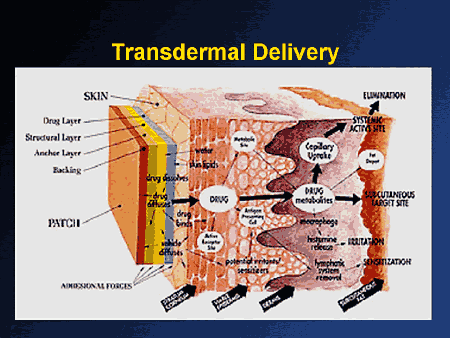
How does this toxins enter our body?


Photo Credit   


   Photo Credit


Specific Agents

Types

Effect
      Alcohol

Ethanol

- most common type of  alcohol exposure.

- One of the top 10 leading causes of hospital admissions, about 20%.

-  Pregnancy: caused
Fetal Alcohol Syndrome (FAS)

     Methanol

  - common solvent

- Severe acidosis due to conversion of formaldehyde to formic acid.

- Death.

-FormicAcid: Optic neuropathy leads to blindness.

 Isopropanol

 - Rubbing alcohol
- Commonly available

-Metabolic Acidosis due to metabolism of ethylene glycol (1,2 - ethanediol) by ADH and ALDH forming toxins such as oxalic acid and glycolic acid.

-High level of consumption leads to crystalformation (Calcium oxalate)
Renal Tubular Damage

Carbon
    Monoxide

Carboxyhemoglobin  (COHb)

 - CO binds to Hb making up a 0.1% CO that equals to 50% COHb at equilibrium.

-Hypoxia

- High oxygen demand in brain and heart.


For additional information, click this link and it will show the list of prohibited drugs: http://www.cbc.ca/sports/indepth/drugs/glossary/classes-popup.html

We must keep in mind that though drugs are beneficial in treating different diseases, the abuse of these are very risky and can even cause death if not used correctly. Hope you learned from my blog! Till my next post. God bless! :)


REFERENCES:

Clinical Chemistry: Techniques, Principles, Correlations, 6th Edition by Michael L. Bishop, et.al

Monday, May 14, 2012

Introduction to Endocrinology

In this topic, we will be able to have an overview about one of the most important system in our body, the Endocrine System. 

Endocrine system plays a very important role in our body. It is one of the physiologic regulatory systems, just like the Nervous System. The term "endocrine" refers to the internal secretion of biologically active substances. It is capable of producing a chemical messengers, so called hormones which regulate our body's growth, metabolism, sexual development and function. These hormones are being released into the bloodstream for transport in specific tissues that brings specific actions. 

According to Kaplan, et. al., the functions of hormones are as follows:

a. It maintains a constant internal environment in the body fluids (homeostasis).
b. It regulates the growth and development of the body as a whole.
c. It promotes sexual maturation, maintain sexual rhythms, and facilitate the reproductive process.
d. It regulates energy production and stabilize the metabolic rate.
e. It helps the body to adjust to stressful or emergency situations.
f. It promotes or inhibit the production and release of certain other hormones.

Hormones are divided into three chemical classes, (1)protein hormones, (2)aromatic amines, and the (3)steroid hormones. They differ from one another in structure, chemical composition, transport, metabolism, and mechanism of action.

Endocrine glands includes the Adrenal, Hypothalamus, Islet of Langerhans in the pancreas, Ovaries, Parathyroid, Pineal, Pituitary, Testes, and Thyroid glands. Among of these the anterior pituitary and the hypothalamus are the most important because they function as the primary regulators of the entire endocrine system.


ANTERIOR PITUITARY HORMONES

The pituitary gland is composed of two distinct parts, the anterior lobe or adenohypophysis and the posterior lobe or the neurohypophyis. The anterior pituitary gland controls the hormonal outputs of some of the other endocrine glands by its secretion of tropic hormones.

Effector Hormones

a. Growth Hormone (GH, Somatotropin) - is the hormone produced in the largest quantity by the anterior pituitary.
b. Prolactin - a hormone similar in the structure to GH which participates with gonadal steroids in breast growth during pregnancy.

Tropic Hormones

a. Thyroid Stimulating Hormone (TSH, Thyrotropin) - is the major regulator of thyroid secretion and function.
b. Adrenocorticotropin (ACTH) - stimulates the formation of adrenal steroids by increasing the synthesis of pregnenolone from cortisol.
c. Gonadotropins (FSH, LH) - these are glycoproteins secreted by the anterior pituitary that are necessary for the proper maturation and function of the gonads in both men and women.

POSTERIOR PITUITARY HORMONES

The posterior lobe of the pituitary gland is connected anatomically to the hypothalamus by a stalk through which a nerve tract and blood vessels pass. It stores and secretes two closely related peptide hormones, ADH and Oxytocin.

a. Anti-Diuretic Hormone -  increases the reabsorption of water by the renal tubules when plasma osmolality becomes elevated.
b. Oxytocin - a potent stimulant for the contraction of smooth muscle.

Pineal Hormones

The pineal gland, which is attached to the midbrain secretes 2 neurotransmitters, melatonin and serotonin which modulates some circadian rhythms of the endocrine system.

THYROID HORMONES, T4, AND T3

Thyroid gland is a small tissue situated in the neck just below our voice box. Its hormones increase the basal metabolic rate and are necessary for proper growth and development. It also secretes Calcitonin, which is a hormone that participates in the regulation of plasma concentration by inhibiting bone resorption.

ADRENOCORTICAL HORMONES

An adrenal gland is situated above each kidney. It is composed of an outer cortex and an inner core or medulla. The cortex produces many steroid hormones derived from cholesterol.

a. Cortisol - the principal glucocorticoid, acts on target cells by penetration and transport to the cell nucleus, binding to DNA, and alters the transcription of RNA.
b. Androgens - The adrenal androgens are dehydroepiandrosterone (DHEA), DHEA sulfate, androstenedione, and testosterone.
c. Aldosterone - is the most potent mineralocorticoid secreted by the adrenal cortex, even though several corticosteroids, including the glucocorticoids, have some mineralocorticoid activity.


References:

3.Clinical Chemistry Interpretation and Techniques 4th Edition by Alex Kaplan, Bent Toibola, Kent E. Ophein, Andrew E. Lyon
4.Clinical Chemistry , Theory, Analysis and Correlation 2nd Edition by Lawrence A. Kaplan, Amadeo L. Pesce